December 2, 2025

%20(1).png)
Why Your Dental Benefits Expire — and How to Maximize Them Before They Do
If you have dental insurance, you may be surprised to learn that many of your benefits don’t roll over into the next year.
If you have dental insurance, you may be surprised to learn that many of your benefits don’t roll over into the next year. In fact, most insurance plans operate on a “use it or lose it” structure, meaning any unused coverage disappears once your plan resets—typically on December 31. Understanding how your benefits work can help you get the care you need and save money in the process.
Here’s what you need to know.
How Dental Insurance Benefits Work
Most dental insurance plans come with three key components:
1. Annual Maximum
This is the total dollar amount your insurance will pay toward your dental care each year. Many plans offer an annual maximum between $1,000 and $2,000. Once the new year begins, whatever you didn’t use simply expires.
2. Deductible
This is the amount you must pay out of pocket before your insurance begins to contribute. The good news? Preventive care such as cleanings and exams often bypass the deductible and are covered at or near 100%.
3. Covered Services
Most plans follow a structure known as 100–80–50 coverage:
- 100% for preventive services (cleanings, exams, X-rays)
- 80% for basic treatments (fillings, periodontal therapy)
- 50% for major procedures (crowns, bridges, dentures)
Because preventive care is usually fully covered, using these benefits every six months helps catch small issues—before they turn into expensive, major treatments later.
Why Benefits Expire
Dental insurance is designed to encourage regular care, not to build up savings over time. If benefits carried over, patients might delay treatment until they had a large amount accumulated. By resetting annually, insurance companies encourage you to stay proactive about your oral health.
For many people, this means hundreds—even thousands—of dollars in unused benefits go to waste each year.
How to Maximize Your Benefits Before They Reset
1. Schedule Your Cleaning and Exam
If you haven’t had two preventive visits this year, now is the perfect time. Cleanings, exams, and X-rays are typically covered at 100%, making them the easiest way to use your benefits while protecting your health.
2. Complete Recommended Treatment
If your dentist has identified a cavity, gum issue, or cracked tooth, completing treatment before year-end may save you money. You’ll use your current year’s benefits before your deductible resets.
3. Start Multi-Step Treatments Early
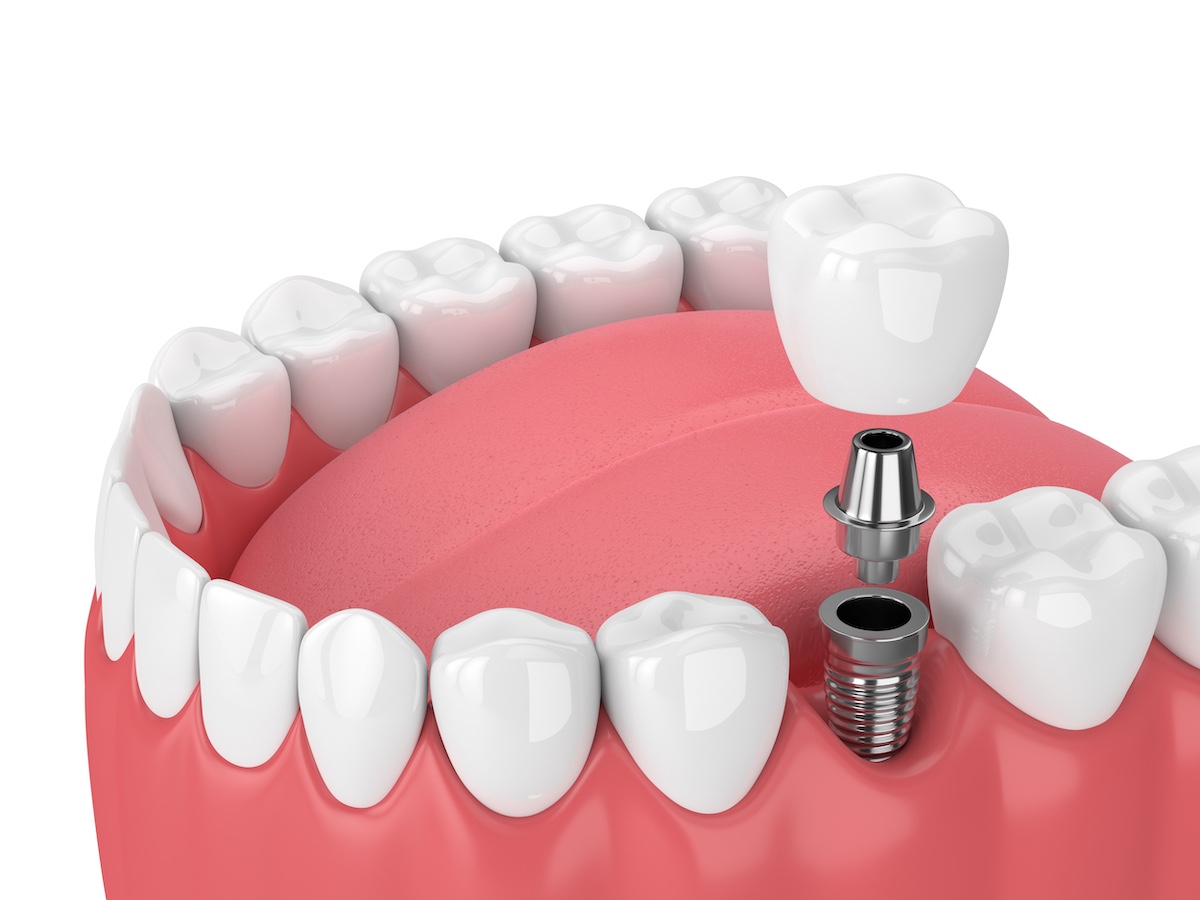
Procedures such as crowns, implants, or orthodontic work may span multiple visits. Starting now could allow you to use this year’s benefits for part of the treatment—and next year’s for the rest.
4. Check Your Remaining Balance
If you’re unsure what coverage you still have, we’re happy to help you review your insurance information and estimate your out-of-pocket costs.
Don’t Let Your Benefits Go to Waste
The end of the year can be busy—but reserving time for your dental care is one of the smartest financial and health decisions you can make. If you’d like to use your remaining benefits before they expire, call our office to schedule an appointment. We’re here to help you make the most of your coverage and keep your smile healthy year-round.
This blog post is provided for informational purposes only and should not be interpreted as medical advice. The content of this post is not intended to be a substitute for professional medical advice, diagnosis, or treatment. Always seek the advice of your doctor or other qualified health provider with any questions you may have regarding a medical condition.
.png)
%20(1).png)